
Evaluate Market Opportunities and Risks

Have you ever watched a sailboat race across the Golden Gate? The water looks flat and calm from the beach. Yet fast currents under the surface can push a boat off course in seconds. Bay Area real estate investing works the exact same way when you partner with Bayvest to read those local currents first.

The local housing market moves fast and breaks national rules at every turn. Home sales across the country slowed down in early 2026, yet the Bay Area median home price held strong at $1.65 million. Roughly 51% of local homes sold above asking price, and houses went into contract in just 29 days. You need a clear plan to spot real market opportunities and dodge costly traps.

What Factors Influence Bay Area Real Estate Investment Decisions?

Why do buyers keep paying top dollar when 30-year loan rates sit low? The answer comes down to tech jobs, big stock gains, and return-to-office rules. Tech firms building new tools now drive 36% of office demand in San Francisco. These workers bring huge down payments from stock grants, which keeps property values high.

Buyer mindsets have shifted over the past year too. For three years, many shoppers sat on the bench waiting for cheap 3% loans to come back. Now they know that 6% plus rates are here to stay. Local families are pooling cash, selling stock shares, and acting fast when a good home hits the street.

At the same time, high home prices lock most local families out of buying a house. Only 18% of households in California can afford to buy a median-priced home right now. Owning a house costs about 62% more each month than renting one, so 82% of households rent by necessity. That wide gap gives landlords steady rental demand, longer stays, and fewer empty units.

How Do Location, Property Type, and Supply Constraints Shape Your Investment Thesis?

Think of the Bay Area like a strip of rare vineyard land boxed in by water and steep hills. Builders cannot simply lay down new streets when buyer demand spikes. Strict zoning laws, slow city permits, and high labor costs create tight supply constraints that hold local housing inventory to 2.1 months. That deep shortage acts like a safety net under your investment thesis and keeps vacancy below 5%.

Still, not every building type performs the same way in this split market. Single-family homes in top school districts draw fierce bidding wars. Older condos under $1 million sit on the market much longer, while mid-priced Class B apartments stay full near train stops. You must match your property type to the exact renter or buyer group in that zip code.

How Should You Evaluate Acquisition Costs, Operating Expenses, and Value Creation?

Have you ever bought a cheap used car only to spend thousands fixing the engine a month later? That same nasty surprise hits buyers who ignore operating expenses when they add up their acquisition costs. From 2022 to 2025, Bay Area building costs jumped 15% to 20% due to higher power, insurance, and tax bills. Under California Proposition 13 rules, your property tax resets to 1% of your purchase price plus local fees, eating up 31% of gross rent in parts of San Francisco.

Property insurance is another huge budget line you must check early. Wildfire and storm risks pushed many state insurance companies to pull back or charge two to three times more. If you plug old expense numbers from three years ago into your sheet, your real net operating income will fall flat. Always call an insurance broker for firm quotes 90 days before you close on any building.

Smart owners do not just accept higher bills without a fight. You can drive strong value creation by making simple upgrades that raise rent or cut monthly waste. Small fixes inside each unit often pay back fast. Focus your remodel budget on these four proven steps so every dollar works harder for you:

  1. Build a backyard cottage or garage unit to add a brand new rent check on land you already own.
  2. Remodel dated kitchens and bathrooms when tenants move out so you can charge full market rent.
  3. Install low-flow water fixtures and LED lights to trim that 15% to 20% jump in utility bills.
  4. Shop your insurance and service bids three months before renewal to protect your yearly profit.

What Financing, Liquidity, and Market Risks Should You Watch For?

What happens if tech hiring cools down or loan rates stay near 6.75% all year? Smart buyers never assume home prices will climb in a straight line forever. Many local buyers put 30% to 50% down or pick adjustable loans to trim monthly bills, yet thin cash reserves can turn a small repair into a crisis. Keeping a 90-day cash cushion beyond your down payment protects your liquidity if a roof leaks or a unit sits empty.

You also need to watch legal investment risks across the state. State law AB 1482 caps yearly rent hikes at 5% plus local inflation, up to 10% total, for most multi-unit buildings built before 2005. On top of that, an eviction for a non-paying renter at $2,800 a month costs $5,600 in lost rent over 60 days before legal bills start. Buying single-family homes or newer units, and screening tenants with care, helps you cut these risks.

What Questions Should Investors Ask Before Evaluating an Opportunity?

Before you sign a purchase contract, how do you separate a true winner from a money pit? Walking through a property without a checklist is like buying food on an empty stomach. You end up spending money on emotion instead of cold, hard math. Ask yourself these five direct questions before you make an offer on any Bay Area property:

  1. Does the deal still work at a 6.75% loan rate? Test your monthly cash numbers using today’s loan costs rather than hoping for a fast rate cut next year.
  2. What will my new tax and insurance bills cost on day one? Figure out your full tax reset at 1% plus local fees and get a real written insurance quote upfront.
  3. Does state law AB 1482 or city rent control limit my rent growth? Check the building age and city rules so you never guess too high on future rent hikes.
  4. How much hidden repair work sits in the roof, decks, or pipes? Ask the seller for five years of repair records and check for required SB 326 balcony checks.
  5. What drives renter demand within three miles of this street? Look for train stops, top-rated public schools, and busy AI or biotech job hubs nearby.

Build Your Bay Area Property Portfolio With Bayvest Today

Smart Bay Area real estate investing takes local data, honest math, and a partner who knows every block from Silicon Valley to the East Bay. You do not have to guess which neighborhood will grow next or how much taxes will eat into your rent. Bayvest gives you the tools and local insight you need to spot high-yield deals, control hidden costs, and grow your wealth with confidence. Visit Bayvest today to explore vetted property deals and start building your custom investment plan.

Frequently Asked Questions

Stabilized Class A apartment buildings trade between 3.85% and 4.75%, while Class B value-add properties in the East Bay market offer yields from 5.25% to 5.75% today.

Many local buyers put down 30% to 50% in cash to keep monthly loan payments manageable at 6% to 6.75% rates and win deals against competing all-cash offers.

California state law AB 1482 limits yearly rent increases to 5% plus local inflation, capped at 10% total, on most multi-unit buildings built before 2005 across the state.

Building operating costs rose 15% to 20% recently because wildfire risks pushed insurance premiums two to three times higher while property taxes reset to full market value upon sale.

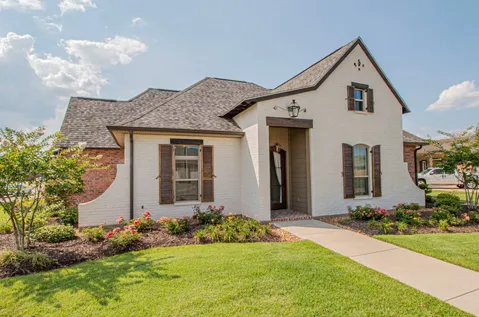
Off-Market Real Estate Investments: How Investors Evaluate Bay Area Acquisition Opportunities

Have you ever wondered why the best homes and buildings in Silicon Valley and San Francisco never hit public websites? Searching for prime spots on open sites feels like wandering into a bakeshop at closing time when only dry crumbs are left. Smart buyers skip those loud bidding wars by hunting off-market real estate investments way before the crowd hears anything, even a whisper. It’s more like quietly circling rather than rushing in. When you team up with Bayvest, you step straight to the front of the line for quiet local deals.

What Does Off-Market Real Estate Mean in the Bay Area?

An off-market deal is any home, building, or land plot sold without the public Multiple Listing Service. Brokers call these “hidden gems” pocket listings because they keep them for folks who can close fast. The open market feels like a loud street auction, and the private market is more like a calm kitchen table handshake. Owners pick that quiet route so they can watch over their tenants, keep their net worth more private and avoid the weekend crowd scene. Sometimes it’s also seen as a discreet, little favor to the buyer who moves quickly.

Why Does This Quiet Path Matter So Much Right Now?

The May 2026 Bay Area Market Update shows that San Jose, Sunnyvale, and Santa Clara just passed the $2 million mark on median home prices. At the same time, the Q3 2026 Kidder Mathews Report says apartment vacancy dropped to 3.8 percent, and monthly rents jumped 7.7 percent to $2,910, oddly enough. You can use private channels for a kind of quiet workspace to review a deal, without like twenty other bidders all at once crowding in and lifting the price.

Deal Feature Public MLS Listings Off-Market Real Estate Investments
Buyer Competition Fierce bidding wars with many offers Calm talks with almost no rivals
Pricing Pressure Hype often pushes prices way up Fair prices built on real math
Seller Privacy Public photos and open house crowds Quiet tours for vetted buyers only
Closing Timeline Rigid dates set by listing rules Custom dates that fit both sides
Record Access Seller forms ready on day one Raw books that need your own check

How Do Investors Identify and Evaluate Potential Acquisitions?

Nor luck or a hefty bank account are enough to find top Bay Area acquisition opportunities. You need strong ties with local brokers, tax pros, lawyers, and trusted groups like Bayvest across every county. Many older owners in Alameda, San Mateo, and Santa Clara want to sell without starting town gossip. When you prove that you have ready cash and treat people well, those owners call you first.

How Do You Tell A Real Goldmine From A Money Trap Once A Lead Lands On Your Desk?

Don’t let the hype get in front of your eyes. You need to look past the whole sales pitch and kind of check the real hard facts, right there on the ground. In addition to nodding along, smart buyers run every private lead through four clear steps before they sign on the dotted line:

  1. Check local unit prices: To spot fair value fast, compare the price with the Q3 2026 Kidder Mathews Report average of $387,409 per unit.
  2. Learn why the owner wants out: Ask what problem the seller wants to solve so you can offer closing dates that win trust.
  3. Test the real cash flow: Build your net operating income plan using real tax bills and water rates instead of broker guesses.
  4. Walk the street yourself: Visit the block during morning rush hour and late at night to check parking, train noise, and foot traffic.

How Do Due Diligence, Property Condition, and Financial Underwriting Protect Your Capital?

Buying a building without deep due diligence is like buying a used race car in the dark without opening the hood. In a quiet sale, the seller rarely hands you a neat stack of fresh reports. You must bring your own roofers and plumbers to check the pipes, wires, and walls from top to bottom. Bad property condition can wipe out your cash fast if you miss a cracked pipe or an old wood frame in Oakland.

Good records save you weeks of stress. Careful financial underwriting links those physical repair notes straight to your deal math. Bay Area building costs jumped somewhere around 15 to 20 percent from 2022 up to 2025, mainly because of taxes and insurance. You also have to check local cap rates because prime Peninsula properties tend to trade near 3.85 to 4.10 percent, whereas East Bay fixers go more like 5.25 to 5.75 percent.

How Do Hidden Risks, Redevelopment Limits, and Personal Goals Affect Investment Suitability?

Private deals hold hidden traps that can burn buyers who rush past the fine print. As experts noted in the April 2026 Consumer Federation Report, private pocket listings kind of skip open price tests and public data checks too. Plus, strict city rules and redevelopment constraints can also freeze your build plans for years, without warning. So when you inspect a private deal in Northern California, watch out for four big red flags; really pay attention to these:

  • Spotty money records: Missing bank logs, handshake leases, or unpaid water bills can hide the real monthly cost of a building.
  • Tight local rent rules: Strict city caps on yearly rent hikes and tenant move-out payouts in San Francisco, Berkeley, and Oakland cut your upside.
  • Slow city permit boards: Historic design panels, soil tests, or quake rules often add months of waiting and huge fees to your build budget.
  • Illegal past work: Spare rooms or garage units built without city permits can force you to tear down walls on your own dime.

Every private deal brings a unique mix of work and reward. You must match each building to your own risk tolerance and cash goals. If you want calm monthly checks with zero stress, stick to clean, full buildings in Santa Clara where rent rolls in on day one. As broker Spencer Hsu writes in his May 2026 Bay Area Market Update, the best move is the one that fits your own life rather than trying to time the market.

Grow Your Bay Area Real Estate Wealth With Bayvest Today

Finding private buildings across the region takes deep local roots, sharp math, and daily legwork. You do not have to hunt alone. When you team up with Bayvest, you gain direct access to vetted Bay Area acquisition opportunities backed by real street data and honest numbers. Visit Bayvest today to view our latest private real estate deals and start growing your wealth in the Bay Area market.

Frequently Asked Questions

You will not always get a steep price cut, but you skip wild bidding wars and gain space to ask for fair repair credits before closing day.

Smart buyers check recent street sales, read real rent rolls, pull local tax bills, and run strict cash flow math based on current neighborhood cap rates.

The biggest risk comes from missing seller records, which can hide unpermitted room builds, old roof leaks, bad soil issues, or tricky local tenant lease terms.

Yes, new buyers can find quiet deals when they team up with local investment groups, build broker trust, and line up cash before good buildings appear.

Selling a Multifamily Property in the Bay Area: A Guide for Property Owners

Selling an apartment building feels a bit like handing over the keys to a small town. You know every quirk, from the stubborn boiler to the tenant who always pays early. Now a buyer wants to put a number on all of it. The good news is that the Bay Area market is working in your favor right now, because CBRE reports Bay Area rent growth of 7.7% year over year in the second quarter of 2026, with vacancy squeezed down to 2.8%.

Is Now the Right Time to Sell Your Multifamily Property?

Tight vacancy gives you a strong story to tell. San Francisco’s vacancy rate sits at 2.4%, so buyers see steady demand from renters. Fewer empty units mean steadier rent checks, and buyers love steady rent checks.

The catch? Few owners are selling. CBRE puts Bay Area sales at $2.3 billion so far in 2026 and blames a lack of inventory for the slight quarterly dip. Less supply can mean less competition for you. Prices tell a mixed story, though. Kidder Mathews found the average price per unit fell 10.4% to $313,445 in the second quarter, while the average cap rate slipped to 5.7%.

Before you decide, check four things on your own side of the table. They shape how much cash you keep after closing, so don’t skip them.

  • Your loan terms, including any prepayment penalty
  • The tax bill a sale could trigger
  • What you plan to do with the money afterward
  • Big repairs that are coming due soon

Write your answers down before you talk to any buyer. If you plan to buy another property, ask your CPA about a 1031 exchange early, because the deadlines are tight. You can’t start that clock late.

How Do Occupancy, Rent, and Expenses Shape Your Sale Price?

Buyers pay for income, not for paint colors. They take your net operating income, which is rent minus operating costs, and divide it by a cap rate to estimate value. Think of the cap rate as a price tag on your income. If your building earns $400,000 a year and buyers want a 5.7% cap rate, you land near $7 million.

Every piece of that math can move. High occupancy and rents that match the market raise your income, and that lifts your price. Rising costs like insurance, property taxes, and repairs cut your income and pull the price down. Buyers also study property condition closely, so a leaky roof or old plumbing means they will subtract repair costs from their offer, and they usually pad the number.

Rents deserve a closer look too. Rents far below market can scare off some buyers, but they can also look like upside. If you can show how a buyer might raise rents within local rules, you give them a reason to pay more. Tell that story with facts, not hype.

What Paperwork Should You Gather Before Buyers Call?

Buyers don’t trust stories. They trust paper. A clean package tells them you run a tight ship, and it shortens their due diligence period. Messy records do the opposite, and buyers often respond by lowering their offer or walking away.

Use this simple checklist to get started. It works for a six-unit building or a sixty-unit one.

  1. Update your rent roll with each unit, tenant, rent amount, lease dates, and deposit.
  2. Pull 12 to 24 months of income and expense statements.
  3. Gather every lease, plus any local rent control or tenant notices.
  4. Collect repair records, permits, inspection reports, and insurance claims.
  5. Fix the small stuff, such as leaks, broken locks, and peeling paint.

Notice that last step. Small fixes cost little, but they change how a buyer feels while walking your property. Tenants also talk, so tell them early about showings and keep things friendly. Happy tenants make your building look better than any brochure.

Should You Sell Direct, Off Market, or List It?

You have two main paths. You can list your building publicly and invite bids, or you can pursue a direct acquisition where one buyer makes you a private offer. An off-market sale keeps your name and your tenants out of the spotlight. It can also move faster because you skip the marketing period. The trade-off? You may get fewer offers to compare.

Feature Public Listing Direct or Off-Market Sale
Privacy Low, since many people see it High, since few people know
Speed Slower, with marketing and showings Often faster
Number of offers Many One or a few
Tenant disruption More tours and visits Fewer visits
Price pressure Competition can push price up You must test the offer against the market

 
Whichever path you pick, vet the buyer the way they vet you. Ask whether they can show proof of funds, how many similar deals they have closed, and whether their offer depends on financing. Ask how long their due diligence will last and what they plan to do with your tenants. A confident buyer answers quickly, and a shaky one starts dodging.

Then compare any offer to recent sales and current cap rates before you say yes. A quick opinion from a broker or appraiser costs little and can save you real money.

Get a Clear, Fair Offer for Your Bay Area Building

You built this asset over years, so you shouldn’t sell it in a rush. Bayvest can talk with you about your goals, your numbers, and a private sale path that fits your timeline. Contact us, share a few basics about your property, and see what a direct conversation can offer. You decide the next step.

Frequently Asked Questions

A cap rate is your yearly net operating income divided by the sale price. Buyers use it to judge value, so a lower rate usually means a higher price.

No. Fix cheap problems that scare buyers, like leaks and broken locks. For big projects, get contractor quotes so buyers see real numbers instead of guessing low.

Yes. An off-market sale lets you deal with a buyer privately. You get more privacy and fewer tenant worries, but you may see fewer offers than a public listing brings.

Yes. A sale can trigger capital gains tax and depreciation recapture. A CPA can explain your options, including a 1031 exchange, before you sign anything.

Selling a House As-Is in the San Francisco Bay Area: What Property Owners Should Know

You own a house that needs work, and you don’t want to spend months fixing it. Sound familiar? Selling a house as-is can solve that problem, and the San Francisco Bay Area gives you a strong market to sell into. The regional median for a single-family home hit a record $1.45 million in May 2026, up 3.6% from April. Even a tired house draws attention at that price.

Location still drives the story. San Francisco’s median reached $2.2 million, up 22.2% from a year earlier, while Santa Clara slipped about 2.5% to $2.1 million. Lawrence Yun, chief economist of the National Association of Realtors, expects Bay Area prices to rise 2% to 6% this year, which leaves them “in no danger of major decline.”

What Does Selling a House As-Is Really Mean?

It means you make no repairs and offer no repair credits before closing. The buyer takes the house, flaws and all. You skip the paint, the new floors, and the contractor headaches.

Here’s the catch many owners miss. As-is does not mean silent. California sellers of homes with up to four units must complete a Transfer Disclosure Statement and a Natural Hazard Disclosure, and an as-is sale cannot waive either one. Think of it like selling a used car: the buyer accepts the dents, but you still point them out.

Should You Sell Directly or List Traditionally?

A direct sale puts one buyer in front of your property, and that buyer makes you an offer. A traditional listing means you hire an agent, prep the home, host showings, and wait. Each path has a price tag, so check the table below.

Factor Direct Sale Traditional Listing
Repairs Usually none Often fixed or priced in
Agent commission Often none Typically 5% to 6%
Showings Few or none Open houses and tours
Timeline Often weeks Often months
Financing risk Lower Higher
Price potential Can sit below market Can reach full market value

 
Money matters most here. Agent commissions on a traditional sale typically run 5% to 6%, which means about $72,500 at 5% on a home near the Bay Area median. A traditional buyer will also expect you to fix problems or cut the price by roughly the repair cost. Some direct buyers close in as few as 14 days. Speed has value, but so does price, so run both numbers.

What Affects Your Offer and What Paperwork Do You Need?

Buyers price what they see and what they fear. Several things move your number:

  • Location: Marin sits near $1.81 million, while Contra Costa sits near $935,000.
  • Condition: Roof, foundation, plumbing, and wiring weigh heavily.
  • Permits: Unpermitted additions can make buyers feel misled.
  • Property type: A duplex, a house, and a vacant lot each draw different buyers.
  • Timeline: A fast close can cost you a little price.

Now gather your paperwork. Start with the Transfer Disclosure Statement and the Natural Hazard Disclosure, which shows whether your home sits in zones prone to earthquakes, flooding, or fire. Add a Seller Property Questionnaire if one applies, plus a lead paint disclosure for older homes, and check your city for local point-of-sale rules. Keep permits, inspection reports, and repair receipts close.

Honest paperwork protects you. A buyer can sue a seller after closing when the seller hid or misstated a known defect. Sell as-is, but tell the truth about what you know.

How Does BayVest’s Offer Process Work?

BayVest keeps the path short. You send your details, and the team moves you through five steps:

  1. Submit your address, property type, photos, financial details, and timeline through the secure form.
  2. BayVest reviews your property, its location, and its potential.
  3. You receive an offer and decide with no pressure.
  4. Due diligence begins if you move forward, and you get updates along the way.
  5. You close once the final terms are set.

BayVest looks at single-family, multifamily, commercial, development land, distressed, and estate properties. Got an inherited house with years of deferred maintenance? That counts as an estate sale, and BayVest takes those too. You stay in control at every step.

Hear What Your Property Could Bring, Without the Repair Bills

Your property doesn’t need a fresh coat of paint to get a fair look. Send BayVest your address, photos, and timeline through the Submit Your Property form, and the team reviews your details and presents an offer you can take or leave. You stay in control from the first step to the closing table. Call 415-407-8694 or submit your property today and start the conversation.

Frequently Asked Questions

Often, yes. Buyers cut their price by about the cost of repairs they expect to make. You may save commissions and repair bills, though, so compare your final net.

It depends on the buyer. Some direct buyers close in as few as 14 days, while others let you pick a date up to 60 days out.

Yes, but tell the buyer. Unpermitted additions can scare off financed buyers and lower your offer, so gather any permits, plans, and receipts you can find.

BayVest looks at single-family homes, multifamily buildings, commercial property, development land, distressed assets, and estate sales. Submit your details through the secure form, and the team reviews them.